
No One Does It Alone
From measles outbreaks to music scenes, how individual choices shape the health of our creative world

I was walking through my neighborhood recently, earbuds in, listening to a track that used to blast from local venues back in the day. It took me back to a time when every band needed the venue, the sound guy, the flyer artist, the bartender, the fans, and each other. It reminded me that even the most independent artist still leans on a web of unseen support.
That memory hit differently when I read about the recent measles outbreak in parts of Texas. A preventable disease, resurging because of a belief that personal choice should always outweigh collective responsibility. It got me thinking about the myths we live by and how seductive the story of “going it alone” can be.
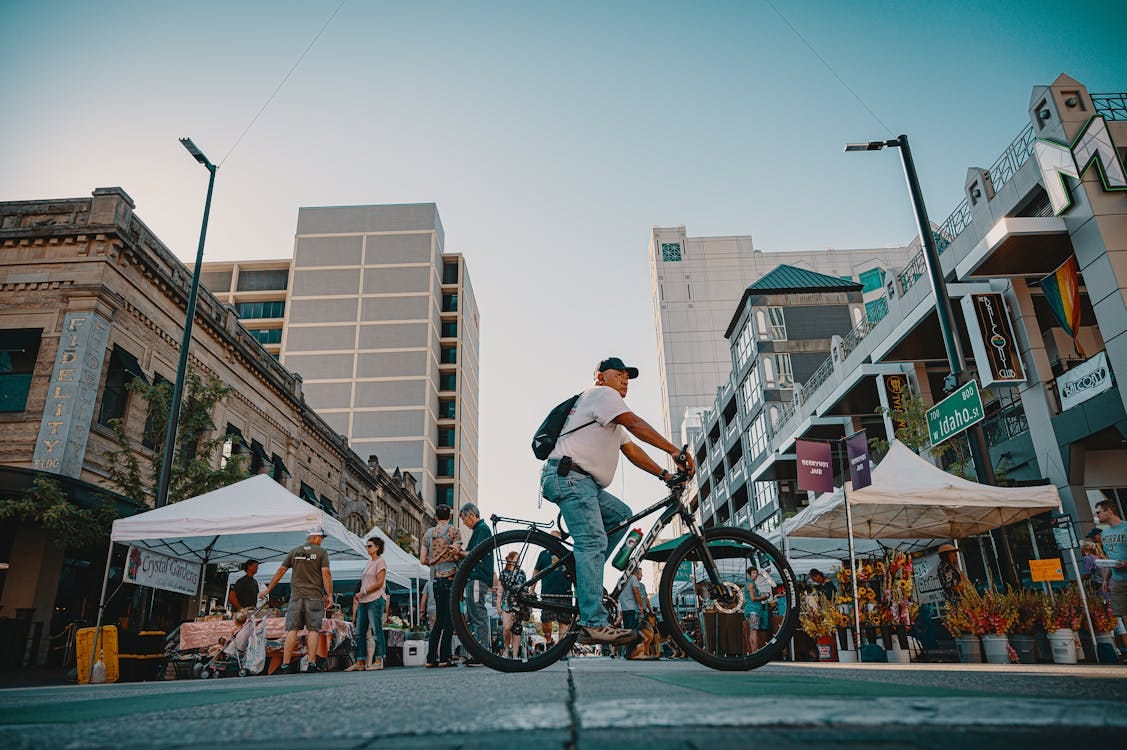
Individual Choice vs. Collective Welfare
At its core, individual choice is the freedom to make decisions that align with your values, beliefs, and needs. It is the autonomy to chart your path, express your vision, and do things your way. Collective welfare, on the other hand, is about the shared good and how our choices impact others, especially the most vulnerable. These ideas are not inherently in conflict, but tension arises when personal freedom is exercised without consideration for its ripple effects. In creative and entrepreneurial spaces, this shows up in how we balance self expression with the health of the communities we are part of. Are we building for ourselves, or with and for others?
The Lone Wolf Is Not the Whole Story
Texas, with all its grit and swagger, loves a good lone ranger tale. But the truth? Even cowboys rode in posses. The myth of self made success sells well, but it often obscures the complex web of relationships that make anything meaningful possible.
In the creative world, that myth can become a trap. We convince ourselves that we have to do it all, write the songs, book the gigs, build the brand, stay authentic, all without help. But at some point, the wheels come off. Burnout creeps in. Or worse, you build something that nobody else feels invited to join.
The Free Rider Problem Revisited
I remember first hearing about the free rider problem in my high school economics class. It is the idea that some people benefit from resources, services, or protections without contributing to them like using a public park you never help clean up or relying on community immunity while refusing a vaccine. Back then, it felt like a neat theory. Now, it is showing up in real life. In both public health and creative circles, when too many folks opt out of contributing to the common good, everyone suffers. Scenes collapse. Trust erodes. What seemed like a smart personal decision becomes a collective cost. That lesson from high school economics is still relevant: if we all want the benefits, we all have to show up.
When the Collective Works, Individualism Gets the Credit
There is a paradox in how success plays out. When the collective is strong and functioning well, it often creates the illusion that individualism is what made it possible. Herd immunity is a perfect example. When enough people participate in vaccination, the disease stays away, and those who opt out may feel justified in their choice. They point to the absence of illness as proof that their independence is working. But that safety net was built on cooperation, not defiance. The same thing happens in creative ecosystems. When a scene is thriving, it is easy to think everyone is just doing their own thing and succeeding on merit alone. But more often than not, what looks like individual brilliance is quietly supported by years of community effort, shared risk, and mutual support. The better the collective performs, the easier it is to forget how much we owe it.
It Is Not Just About Morality, It Is About System Design
It is tempting to frame these choices as moral failures like selfishness, ignorance, or irresponsibility. But if you have ever studied game theory, you know these outcomes often emerge not because people are bad, but because the system is vulnerable. When individuals make rational decisions based on their perceived risks and rewards, the collective result can be a breakdown even if no one intended harm. In the case of a measles outbreak or a crumbling creative scene, the problem is not just a few bad actors. It is a fragile system that relies too heavily on everyone making the right choice in a vacuum. Strengthening the system through trust, communication, and shared values can be just as important as urging individual responsibility.
Lessons for Creatives and Entrepreneurs
Resist the Myth of Self Sufficiency
Even the most DIY artist needs a support system. Asking for help, collaborating, and building shared infrastructure is not weakness, it is wisdom.
Invest in the Scene
Whether it is paying it forward, mentoring, showing up to others’ events, or amplifying community efforts, healthy ecosystems depend on active participation. Even just clicking like on a fellow creative’s post helps their work get seen and lets them know they are not shouting into the void.
Design for Dependability
Just as strong public systems need redundancies and safety nets, your creative work should be embedded in networks of trust and mutual care.
Evaluate the Ripple Effect
Every brand choice, gig booking, or business model has a broader impact. Ask yourself not just, “Does this work for me?” but “Does this support the people around me?”
Reflective Questions
Where in your creative life have you bought into the go it alone myth?
Who supports your work behind the scenes, and how can you honor them?
What is one small way you can invest in the collective well being of your scene or industry this week?
Whether you are building a brand, writing an album, or launching your next big idea, remember: you are not an island. And that is a beautiful thing. Our strength comes not just from what we create, but from how we care for the communities that allow us to create.
So here is to choosing connection over isolation, to showing up not just for ourselves, but for each other. Because every day is a celebration, and the journey is the reward.
Astro Joe Garcia
Lean on Me - Club Nouveau
I first heard “Lean on Me” not through Bill Withers, but the Club Nouveau version that played on the radio back in the 80s. It had that upbeat groove, catchy enough for a kid to hum along without realizing the weight of the lyrics. Later, when I discovered the original, it hit different. The message was the same, depend on one another, carry each other through, but Bill’s voice made the plea feel more urgent, more intimate. That journey mirrors the theme of this piece. Sometimes we grow up believing in the remix of self reliance, in the danceable myth that we can go it alone. But when we slow down and listen closely, we realize the truth has always been in the chorus: we all need someone to lean on.